Microsoft says its next-generation Xbox, Project Helix, is being designed as a console that can also play games from a player’s PC — not a PC that happens to run console games. Speaking to Eurogamer, Jason Ronald described a console-first approach, with easy, intuitive and instant access to games as the design goal. That distinction puts convenience at the centre of Microsoft’s pitch rather than treating PC compatibility as the device’s defining identity.
Cross-device access is another part of that vision. Ronald said Microsoft expects players to be able to move their game library and progress between devices, then instantly resume playing on another device. For players, the meaningful ambition here is continuity: switching hardware without treating that switch as a fresh start. It is an access-focused argument for the next generation, rather than one built solely around how games look.
That emphasis on simplicity also sits alongside room for tinkering. Ronald said Helix will let hardcore gamers and power users customise settings and performance options. The interesting balance is between an approachable console experience and the flexibility those players want. As a design proposition, this suggests Microsoft is trying to accommodate different levels of involvement with the hardware, rather than making extensive configuration the starting point.
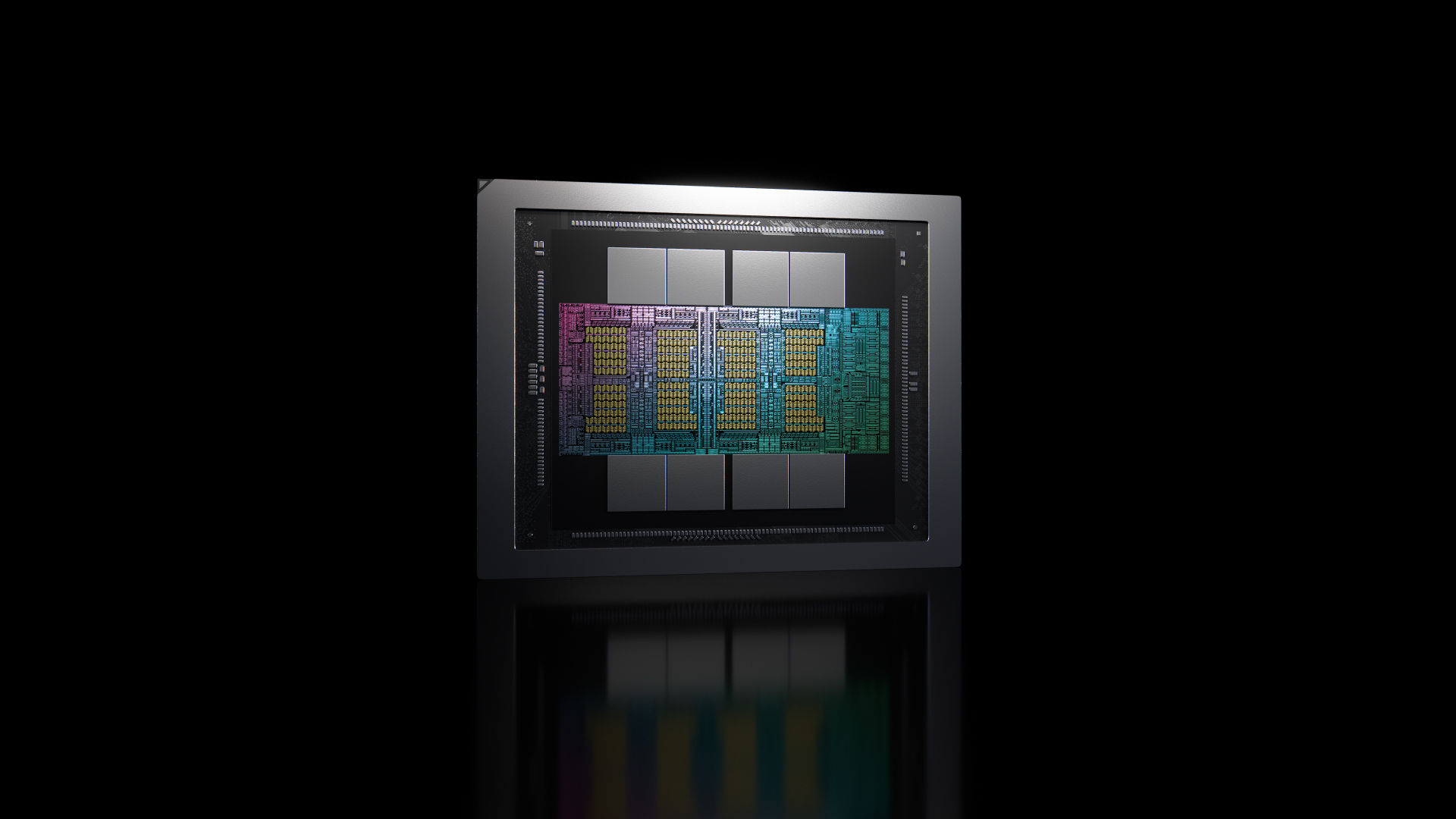
Ronald also said the next Xbox generation is not primarily about reaching 8K resolution and 240-hertz frame rates. Instead, Microsoft is focusing on neural rendering to generate frames without requiring more computational horsepower or additional memory. The technical emphasis is therefore on how frames are produced, rather than raw resources alone. Those figures describe the priorities Ronald is pushing back against, not announced Helix performance targets.
The longer-term ambition extends to keeping games playable. Ronald described preservation as core to Xbox and said the company is working with game makers so their games can still be played 20 to 30 years into the future. That gives Microsoft’s compatibility plans a longer horizon than simply carrying a library onto the next machine.